Public Health
Hospital Bed Booking
A family can see a free ward bed and book it before they travel, with every step from booking to discharge on the record.
In a government hospital, the only people who know which beds are free are the ward and reception staff. Families go from counter to counter, a free bed can be called unavailable until someone pays, and a bed freed at discharge can sit empty for hours. This system makes the booking, the admission and the discharge happen inside the software, so the bed status is the result of real actions, not a number someone types in.
Key Capabilities
How It Works
Check
The family sees live free beds by department, from anywhere
Book
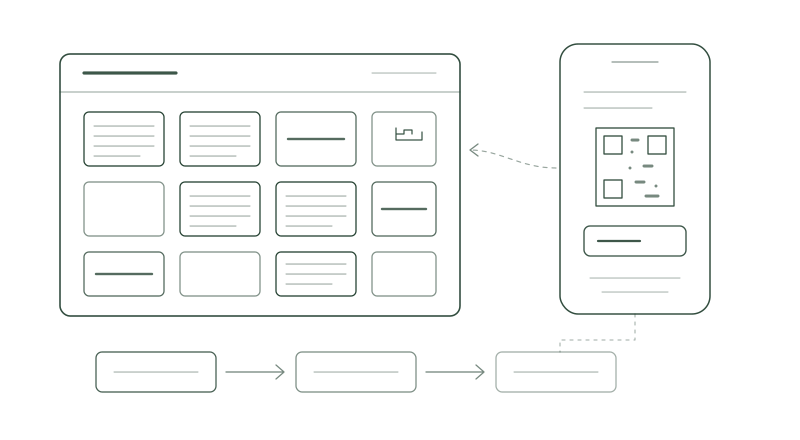
A mobile OTP, then a booking ID and a QR code
Verify
Reception scans the QR, and only then is the bed Occupied
Discharge
Staff confirm it, and only then is the bed Free for the next family
Release or Complain
An unused hold expires; a refused booking becomes a complaint against its ID
Who It's For
Impact & Value
- A family can check for a bed before travelling, not at the gate
- No bed holds two active bookings: with 100 bookings fired at the same moment in testing, none did
- A freed bed shows as free the moment the discharge is confirmed
- A refused booking becomes a complaint backed by evidence the system already holds
- The hospital page is usable on a slow 3G connection, measured at under five seconds
Security & Compliance
- Families sign in by OTP; staff by password and OTP
- Every action written to an audit log that the application itself cannot change or delete
- Each hospital’s data kept apart; a district officer sees only their own district
- Mobile numbers masked in staff lists and in the audit view
Built for a pilot at Government District Hospital, Chittoor, and covering general ward beds only, not ICU, ventilator or emergency beds. It is not yet deployed. Two decisions stand before go-live: an SMS gateway (in testing, OTPs are not sent to a phone), and a retention period for patient details, which the Health Department has to set. The load figures come from a test on a two-core machine, not from a hospital in use.
Deployment Models
Ready to put your ward beds where families can see them?
Tell us how many general ward beds your hospital runs and how admissions are allotted today. We can walk a family’s booking through to discharge on the Chittoor pilot setup.